

"Do I need Anerkennung?" is the first question every Indian candidate — and every German employer — asks. The answer depends entirely on whether the occupation is regulated.
Regulated Occupations: Recognition Is Mandatory
Nursing, medicine, teaching, certain electrical and gas installation roles, and professions carrying legal responsibility are regulated. You cannot practise without a German recognition decision (Anerkennungsbescheid). The competent body varies: state health offices for nurses, chambers of crafts (Handwerkskammer) for trades, IHK FOSA for many industrial qualifications. Where your Indian training differs from the German standard, you receive a partial recognition with a list of gaps to close through an adaptation course or knowledge test.
Non-Regulated Occupations: Recognition Is Optional
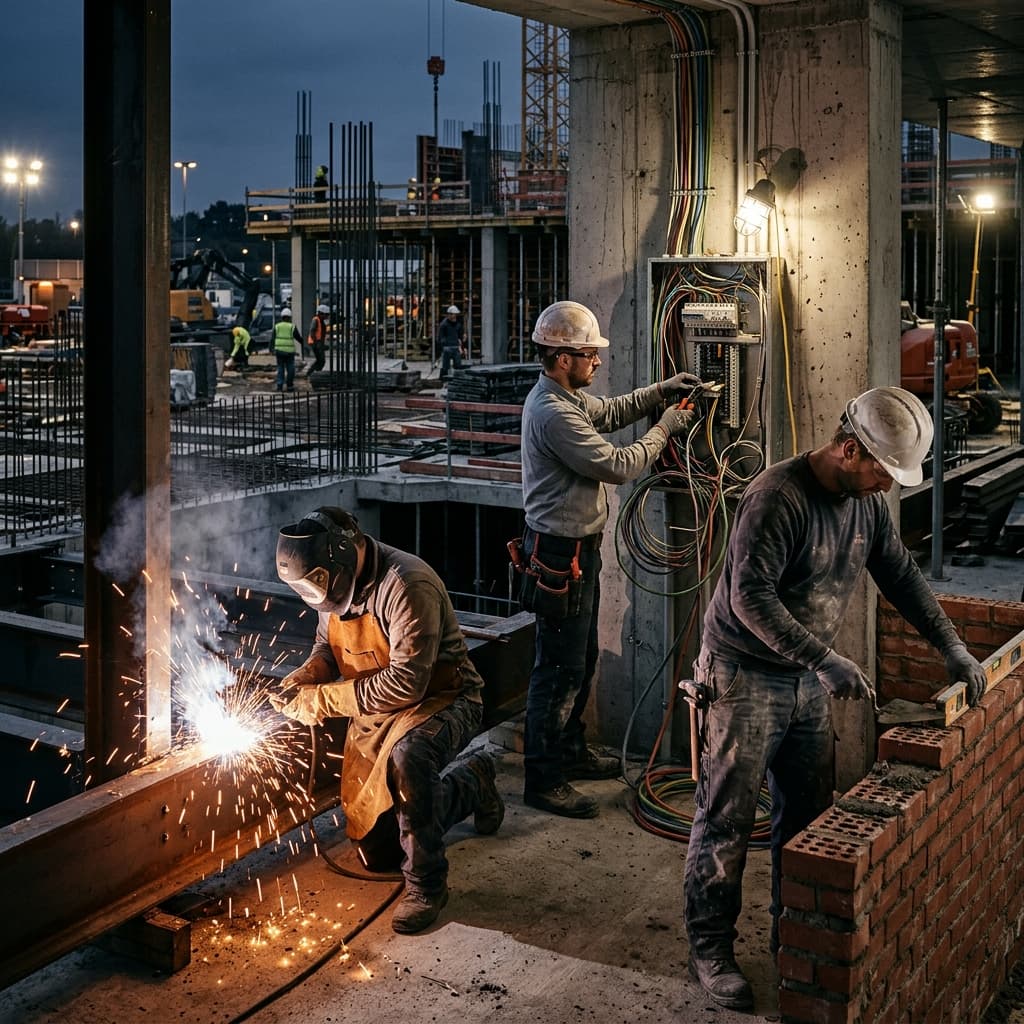
Welders, CNC machinists, warehouse operatives, cooks, drivers and most industrial trades are not regulated. You can be employed without recognition under the experience-based route if you have a two-year qualification recognised in India and two years of experience. Recognition still helps — it earns points for the Opportunity Card and often a higher pay grade — but it is no longer a gate.
Degrees: The ZAB Statement of Comparability
For university degrees the Central Office for Foreign Education (ZAB) issues a Statement of Comparability. Many Indian degrees are listed in the anabin database as comparable, in which case the statement is a formality; others require individual evaluation. Fees are around €200 and processing typically takes two to three months.
The Recognition Partnership
Introduced under the FEG, the recognition partnership lets a worker enter Germany with a job and complete recognition after arrival, within up to three years, while working in a role related to the target occupation. Employers use it heavily for nurses and trades: the worker is productive immediately instead of waiting in India.
Costs and Timelines at a Glance
- Statement of comparability (degrees) — roughly €200, two to three months
- Vocational recognition (chambers) — €100 to €600, up to three months from complete documents
- Nursing recognition — varies by state, three to six months including language and exam stages
- Translations and apostilles in India — budget €150 to €400 per file
Where to Start
The federal portal "Recognition in Germany" identifies the competent authority for any occupation and location, and the ZAB's anabin database shows whether your Indian institution and degree are already rated. Check both before paying anyone for a "recognition service" — the information is free and the application is made directly to the authority.
Recognition and Pay
Even where recognition is not required, a recognition decision often moves a worker into a higher grade under the collective agreement. Many employers therefore start recognition in the first year as a retention measure, funding the fees against a longer commitment.
Common Indian-Side Mistakes
- Submitting mark sheets without the final certificate
- Certificates in regional languages without sworn translation
- Experience letters that do not state duties and hours
- Using the wrong competent authority — it is determined by where the job is located, not where you apply from
Our documentation team prepares recognition files as part of every German deployment. See how recognition fits into the overall process in our Germany work visa guide, or check role-specific requirements on the Germany hiring page.
