

Most German employers hiring from India will make their decision without meeting the candidate in person. That is workable, provided the selection process is designed to show what a face-to-face trial day would have shown. A structured video interview and a well-planned practical test together do most of that work.
Plan Around the Time Difference
India runs on IST, three and a half hours ahead of Germany in summer and four and a half in winter. A German morning interview at 09:00 is mid-afternoon in India, which works well. Late-afternoon German slots push into the Indian evening; candidates will attend, but concentration drops. Batch interviews into fixed blocks and share the schedule in both time zones.
Structure the Interview
An unstructured conversation tells you how well someone interviews, not how well they work. Use the same questions for every candidate, in the same order, and score answers against criteria agreed in advance. A useful structure:
- Experience walk-through: the candidate describes their last two jobs, the equipment they used, and a typical day
- Technical questions: five or six questions specific to the role, with expected answers written down beforehand
- Situational questions: "What would you do if…" scenarios about safety, quality problems or conflict
- Motivation and expectations: why Germany, family plans, understanding of the location and shifts
- Questions from the candidate: what they ask reveals what they have understood
Language During the Interview
Most interviews for non-language-required roles will be in English. For care, childcare and other roles where German matters, include a short German segment to check the level independently of the certificate. Where a candidate's English is limited but their trade skill is strong, an interpreter for part of the interview is better than losing a good worker.
Design the Practical Test
The test should reflect your work, not a generic exercise. Good practice:
- Use your specification: drawings, materials, tolerances, control types or procedures from your own site
- Fix the conditions: time allowed, tools provided, safety equipment required
- Define pass criteria in advance: measurable outcomes rather than impressions
- Use an independent assessor: someone who is not paid on placement numbers
- Record it: video of the work and close-ups of the result, so your own experts can review
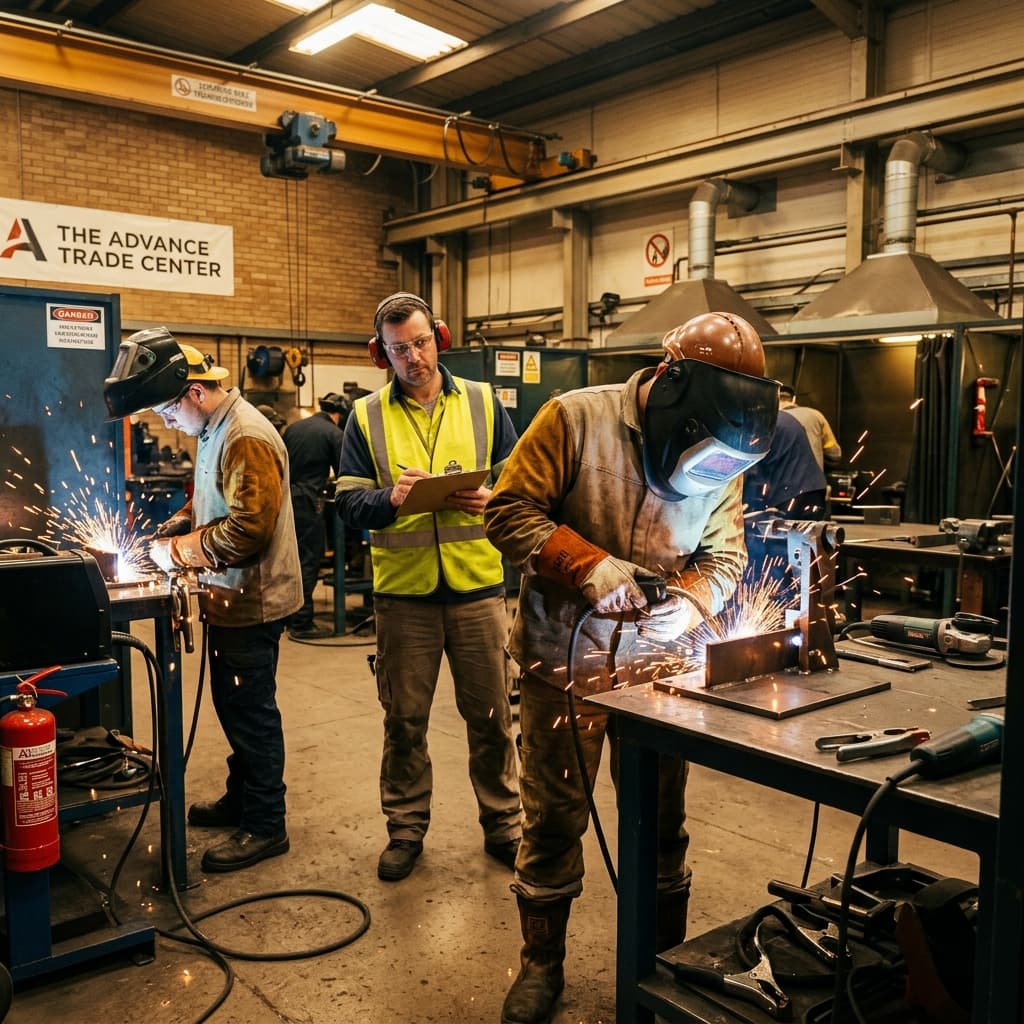
Examples include welding coupons inspected visually and, where needed, by bend test; CNC parts measured against drawing tolerances; electrical fault-finding on a training board; knife work on a meat line; paving and levelling for landscapers; and simulated care tasks for care assistants.
Consent and Data Protection
Recording interviews and tests involves personal data. Under the GDPR, candidates should be told what is recorded, why, who sees it, and how long it is kept, and their consent obtained where consent is the legal basis. Store recordings securely and delete them when no longer needed.
Fairness and Equal Treatment
German anti-discrimination law protects applicants, including those applying from abroad. Avoid questions about religion, marital plans, pregnancy or ethnic background unless genuinely relevant and lawful. Questions about whether a candidate accepts the shift pattern, the location and specific job demands — for example handling particular products — are legitimate and should be asked openly.
Verifying What You Hear
An interview and test show capability; verification confirms history. Check experience letters by calling the issuing companies, compare dates with passport stamps or Gulf work records where relevant, and confirm that qualifications are genuine. Our guide to preparing Indian documents covers what reliable evidence looks like.
Candidates Should Not Pay for Tests
Trade tests should be funded by the employer or the agency, not the candidate. If a candidate tells you they paid for a test or for a place on a shortlist, treat it as a red flag about whoever arranged it. See fair recruitment from India.
From Selection to Offer
Give successful candidates a written offer quickly, with the role, pay, location, hours, accommodation and expected start date. Delay costs good candidates, who often have offers from Gulf or other European employers at the same time.
How We Run It
We organise test centres and assessors in India, record tests to your specification and schedule interviews in blocks that suit your managers. Each candidate file comes with recorded results and verified documents. See our welder and CNC page for one example, or send a requirement.
