

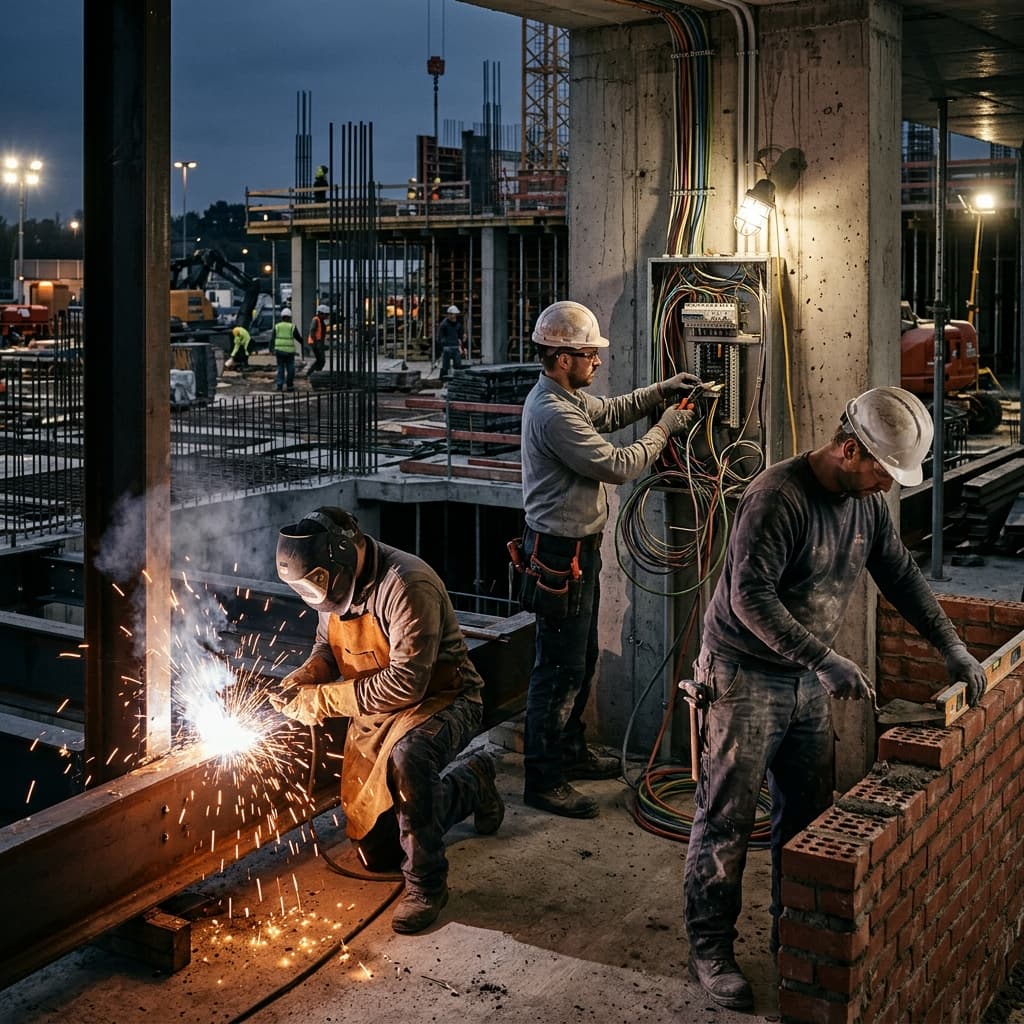
Unfilled Ausbildung places have become a structural problem for German employers, particularly in Handwerk, hospitality, care and logistics. Recruiting trainees from India is one response. It is slower than hiring experienced workers, but it produces staff with a German qualification, fluent German and three years of loyalty already invested. This playbook is written from the employer's side; our Ausbildung overview explains the route from the candidate's perspective.
The Legal Basis
Residence for vocational training is governed by §16a of the Residence Act. The key conditions:
- A training contract for a recognised training occupation, registered with the competent chamber or body
- German skills, as a rule at B1, unless the training is delivered in another language or language support is part of the programme
- Secured living costs — the training allowance usually covers this, but where it does not, additional proof may be required
- Federal Employment Agency consent for company-based training
Trainees may work part-time alongside their training within set limits. After completing the training they can stay to look for a job and switch to a skilled-worker permit.
Which Occupations Suit It
Recruitment from India works well for trainee places in:
- Handwerk: plumbing and heating, electrical, automotive mechatronics, baking, butchery
- Care: the generalist nursing training (Pflegefachfrau or Pflegefachmann)
- Hospitality: cooks, hotel specialists, restaurant specialists
- Logistics: warehouse logistics specialists, professional drivers
- Health practices: medical and dental assistants
Who to Recruit
Indian candidates for Ausbildung are typically school leavers with Class 12 certificates or young graduates and diploma holders willing to retrain in a German system. There is no fixed maximum age, but the school-leaving certificate must be accepted as sufficient for the training occupation. Motivation matters more than prior experience. Candidates should understand from the start that Ausbildung means three years of training pay, vocational school blocks and exams — not a shortcut to a full wage.
Pay and Costs
Trainees are paid a training allowance that may not fall below the legal minimum for apprentices or any collective agreement that applies. In care, collectively agreed training pay is comparatively high; in some Handwerk trades it is low enough that housing support becomes essential.
Typical employer costs beyond the allowance:
- Language training to B1 in India
- Visa and document costs, travel
- Accommodation support, often a shared flat
- Transport to vocational school if it is far from the workplace
Housing Is the Deciding Factor
A trainee on a first-year allowance cannot rent a flat in most German cities. Employers who succeed with international trainees almost always provide or arrange accommodation at a rent the trainee can afford. Our housing guide sets out models that work.
Vocational School and Learning Support
Trainees attend Berufsschule alongside work, in day release or block form. Technical German in the classroom is harder than everyday German. Support options include in-company tutoring, study groups and assisted training programmes offered by the Federal Employment Agency. Ask your local employer service about assisted training (Assistierte Ausbildung) before the first trainee arrives.
A Realistic Timeline
- Months 0–2: selection, interviews and signed training contract
- Months 2–10: German to B1 in India
- Months 10–12: visa, contract registration with the chamber, travel
- Start: typically aligned with the training year, often August or September
- Three years later: final exam and transfer to a skilled-worker contract
Plan backwards from the training start date. Missing it can mean waiting a year or arranging a later entry with the chamber's agreement.
Retention After Qualification
The value of Ausbildung recruitment comes after the exam. A trainee who qualified with you, has family plans in Germany and sees a clear role waiting is likely to stay. Offer the skilled-worker contract well before the exam, and discuss further qualifications such as the Meister or a technician certificate.
Common Pitfalls
- Accepting candidates whose German is at A2 with a promise to "catch up"
- Ignoring housing until the visa is issued
- Not briefing the vocational school about international trainees
- Treating trainees as cheap labour rather than as future skilled workers
Next Step
We recruit trainee cohorts in India, run language training to B1 and coordinate registration and visas around your training-year start. See our medical and dental assistants page for one example, or contact us.
