

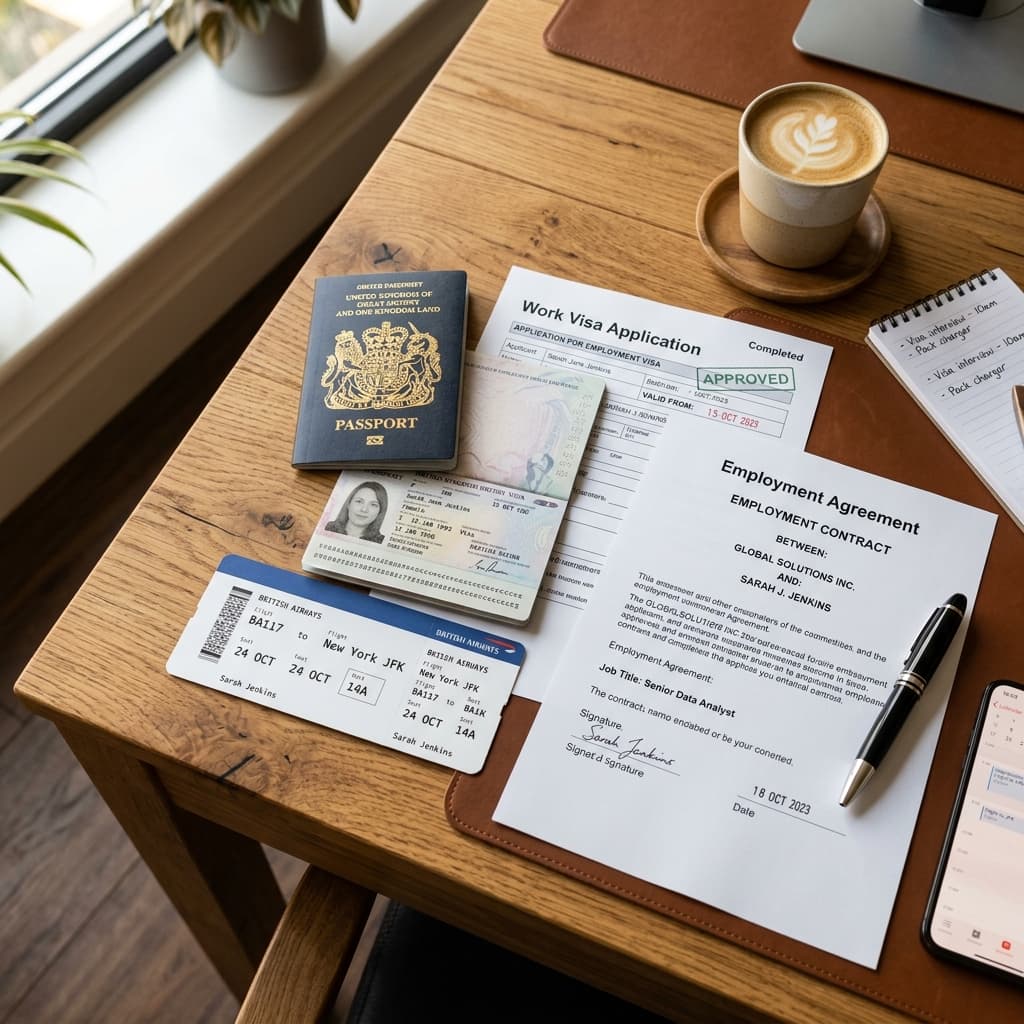
Greek agriculture, construction and tourism cannot staff themselves locally, and India and Greece have committed to concluding a migration and mobility partnership (a 2022 Declaration of Intent, reaffirmed in their February 2024 joint statement). Until a binding agreement is in force, the working route for employers is the invitation-based permit — metaklisi — filed against regional quotas.
Step 1: The Invitation Filing
The employer files the metaklisi invitation for named roles against the regional quota decision. Quotas specify sectors and counts; we align your filing with the current allocation so it lands inside an open category.
Step 2: Selection
Video interviews with verified candidates — harvest crews with agricultural experience, construction trades, hotel and kitchen staff.
Step 3: Entry Visa
Approved workers obtain the national visa at the Greek mission in India with our documentation support.
Step 4: Arrival and Residence
Workers fly once the visa is issued (Greece is not an ECR country, so no Indian emigration clearance applies); the residence permit completes in Greece while work begins. Seasonal agriculture should file 3–4 months before the season.
Costs
Per-worker recruitment fee, state and consular fees, airfare. Agricultural employers typically provide on-site accommodation — a condition we verify and brief workers on before departure.
Where the Bilateral Talks Stand
Both governments have said they want a formal mobility partnership; we have not found official confirmation that a binding agreement is in force, so plan on the metaklisi route. Sectors and FAQs on the Greece hiring page; share your seasonal or year-round requirement and we will map it to the quota calendar.
