

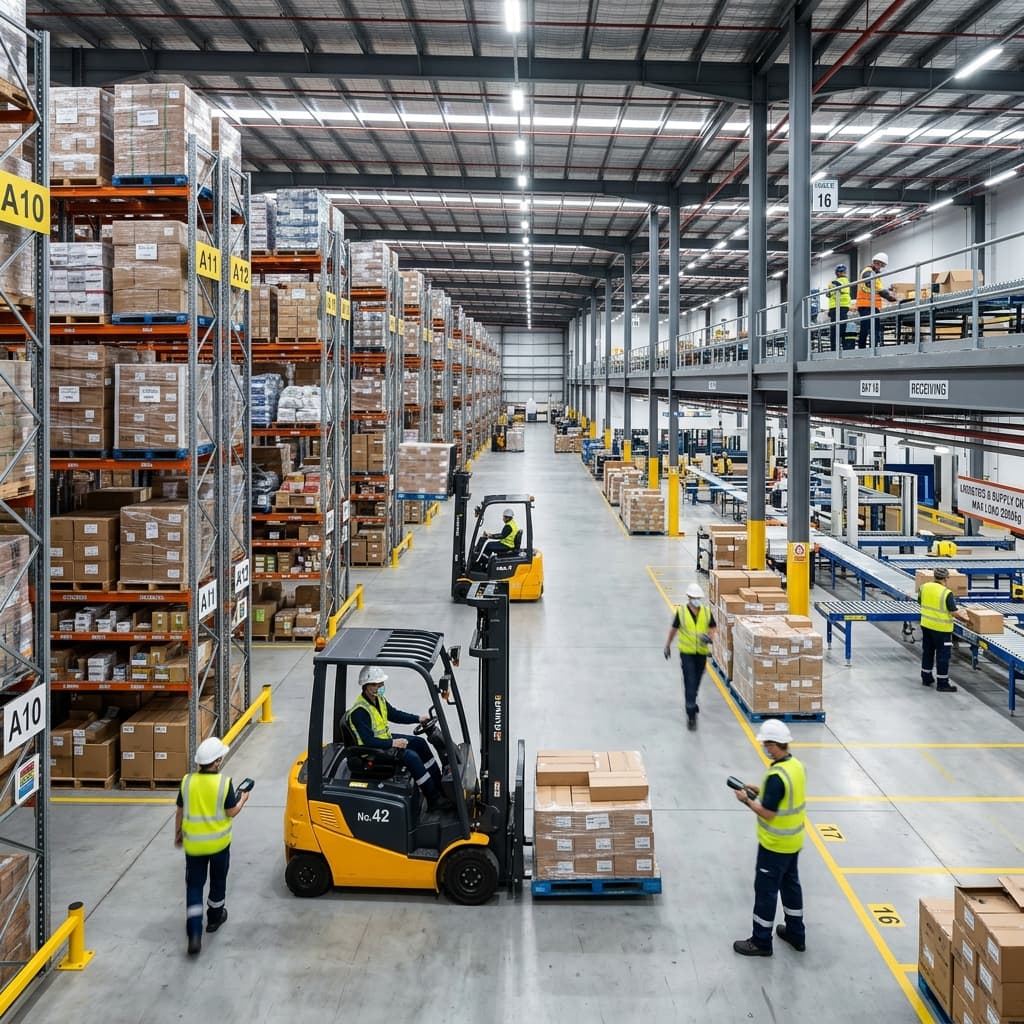
Lithuania punches far above its weight in European logistics, and its rules for non-EU workers changed in 2025–2026. Employers should plan around the current system, not the old shortage-list fast track.
What Changed
From 1 January 2025 the shortage-occupation list and the Employment Service labour-market decision were abolished. An annual quota for new work-based permits replaced them. The 2026 quota was reported as effectively used up in July 2026; after that, a permit needs a salary of at least 1.2 times the national average gross wage, or 1 times for listed high-value-added jobs. From 22 May 2026 a hire must also have a relevant qualification, at least one year of related experience in the last three years, or a salary at least equal to the national average. From 1 November 2026, people who entered on a Schengen visa cannot apply from inside Lithuania.
The Process
- Eligibility check — confirm with the Migration Department whether quota remains and whether the role meets the salary, qualification or experience conditions
- Selection — video interviews; for drivers, licence class and experience verification happens in India before you ever see a CV
- National D visa / residence — filed at the Lithuanian mission with our dossier support
- Deployment — flights (Lithuania is not an ECR country, so no Indian emigration clearance is needed), and for drivers, Regitra licence tests unless an agreement applies, plus code 95 obtained in the EU
Timeline and Costs
Typically 1–3 months end to end — a range, not a guarantee. Costs: per-worker recruitment fee, consular fees and airfare.
Who Hires This Way
Transport and logistics firms above all, plus metal fabricators, furniture and food producers, and construction companies. Details and FAQs on the Lithuania hiring page — or send the roles you need and we will check them against the current quota and salary rules.
