

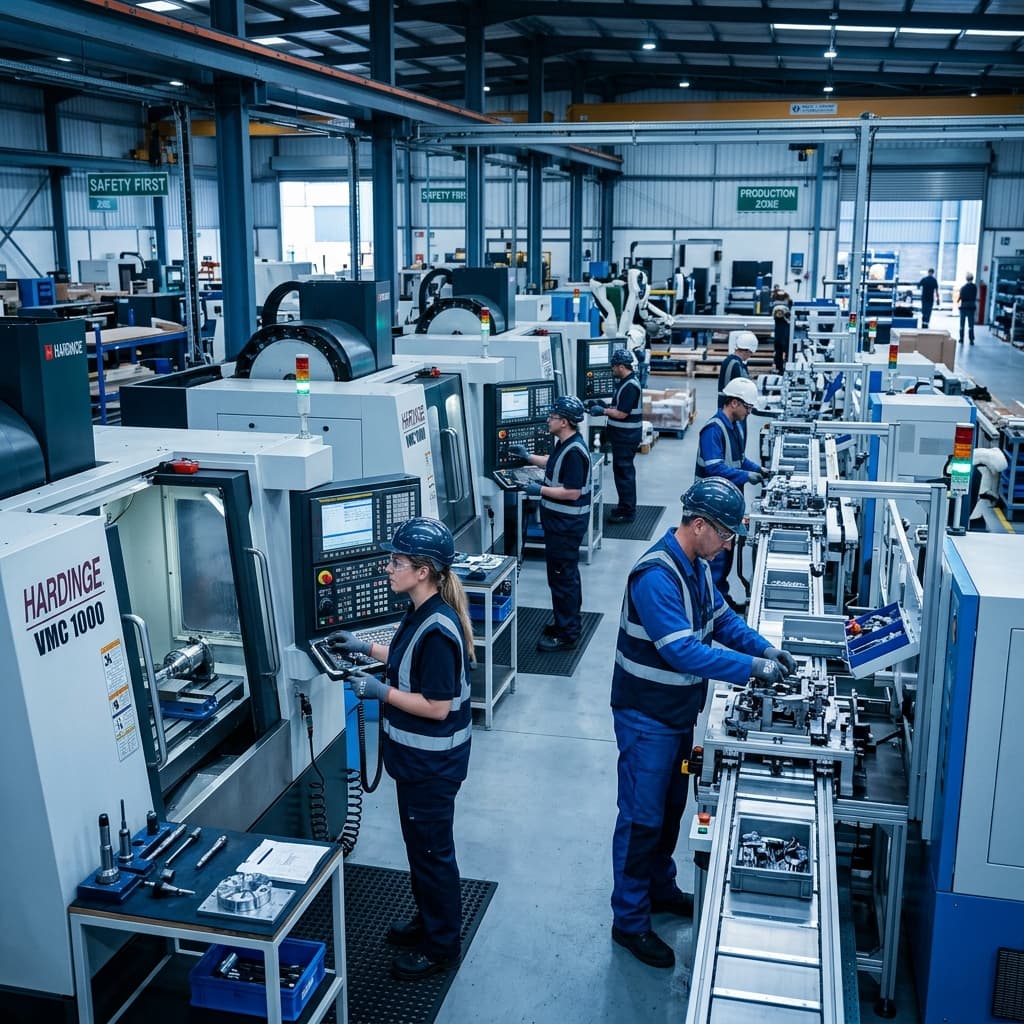
Germany's energy transition, industrial automation and building-services boom have created a persistent shortage of electricians and mechatronics technicians. Indian ITI electricians, diploma holders in electrical and electronics engineering and mechatronics technicians from automotive and process industries are well suited — but electrical work is where German regulation must be handled carefully.
Regulated Versus Non-Regulated Electrical Work
Independent electrical installation in buildings is a regulated craft: the business must be registered with the Handwerkskammer under a master electrician, and installers working autonomously need recognised qualifications. Industrial electrical maintenance, electrical assembly in manufacturing, panel building and mechatronics work under supervision within a company are generally not regulated at the individual level. That distinction decides the route.
Roles That Deploy Quickly
- Industrial electricians maintaining production lines under a German-qualified supervisor
- Control-panel and switchgear builders
- Electrical assemblers in machine building and rail
- Mechatronics technicians in automotive plants and automation firms
- Solar and wind installation crews working under certified lead installers
These use the experience-based route: two-year qualification plus two years of experience, at collectively agreed or FEG-floor pay.
Roles That Need Recognition First
Building electricians who will work independently on customer sites need chamber recognition of their qualification against the German Elektroniker standard. Partial recognition is common; gaps are closed through an adaptation period with the employer. The recognition partnership allows the worker to start in a supervised role while recognition completes.
Pay
Industrial electricians and mechatronics technicians in 2026 earn roughly €3,000 to €4,000 gross per month under metal and electrical industry agreements, higher in the automotive south.
Language
Safety-critical roles push employers toward A2 German on entry and B1 within the first year; we maintain technician pools in language training for this reason.
Timeline
Supervised industrial roles: three to five months with pre-approval. Independent installers with recognition: six to nine months, or faster via the recognition partnership.
Qualifications That Map Well
Indian diplomas in electrical, electronics or mechatronics engineering (three-year polytechnic programmes) and ITI electrician certificates with several years of industrial experience map well to German technician and skilled-worker roles. Degree holders in electrical engineering may qualify for a Blue Card where the role and salary fit, which is often the case for automation and commissioning engineers.
Safety Training in Germany
Electrical roles require documented safety instruction on German standards, in particular the VDE rules and the five safety rules for working on electrical installations. Employers deliver this in the first week; our candidates receive an English briefing before departure so the concepts are familiar.
Progression
Technicians who complete chamber recognition in their first year typically move up a pay grade and, in installation businesses, toward the independent-installer role. Employers use recognition as a retention tool for exactly this reason.
Next Step
Full employer requirements are on Indian electricians and mechatronics technicians for Germany. For the recognition mechanics see Anerkennung explained.
